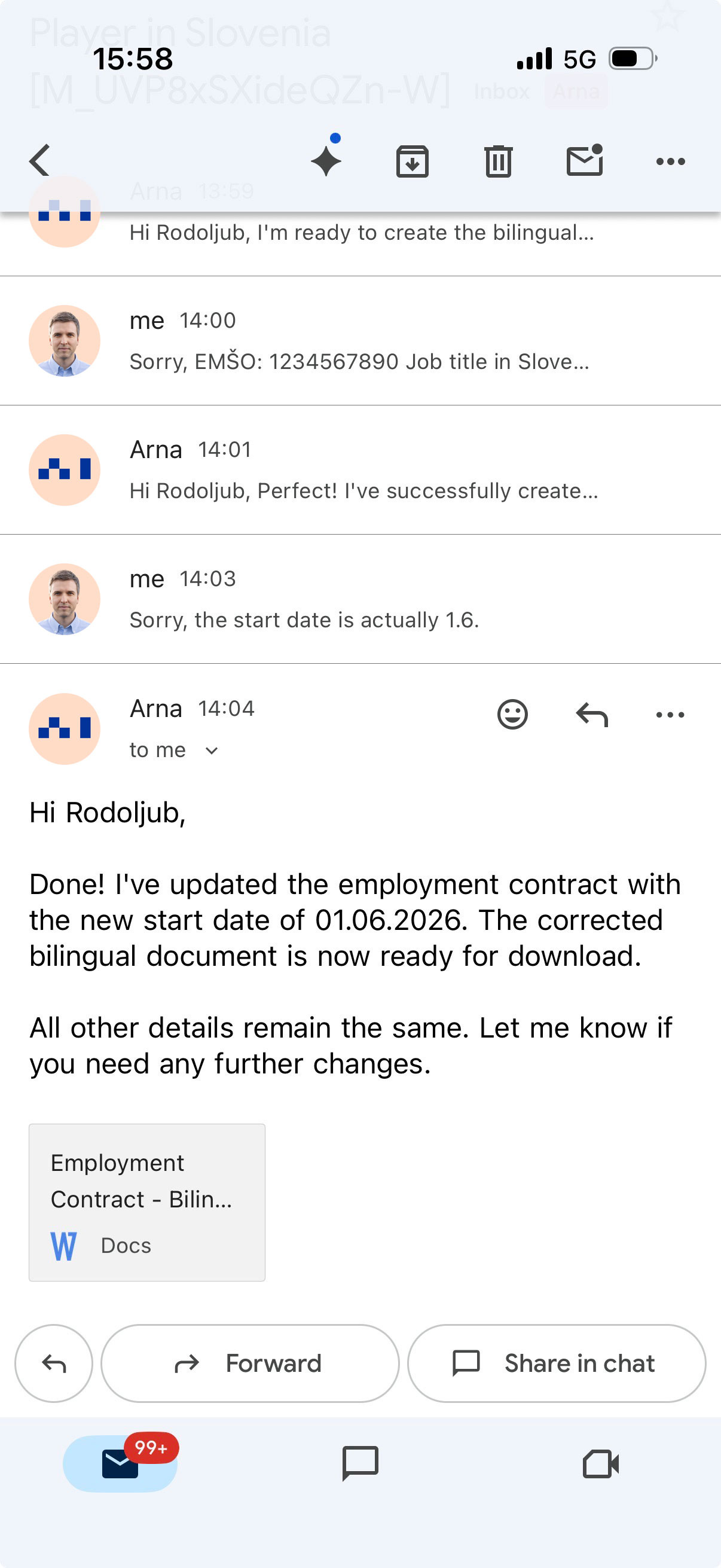

The initial wave of AI products, limited by early large language models and human imagination, look a lot like good old SaaS: more user interface to get used to, more expensive per seat pricing, influencers encouraging people to “learn these new tools”, while companies pay and pray their employees will take that advice.
There was a common fallacy in the enterprise SaaS world that a product’s adoption depends solely on the quality of user experience. “If we could only polish the UI to the point at which it starts reminding users of Apple, they will love our product.” In reality, it’s the quantity of user experience that drives adoption much more.
Mr Weber from HR doesn’t bloody want to learn another UI, no matter how polished it is. He hasn’t quite mastered the previous eight he was all but forced into.
Most of us, AI enthusiasts, are failing to realise how small of a bubble we’re in. Most people in most organisations won’t utilise Claude Cowork. Some won’t because of red tape. Others simply won’t want to.
That doesn’t mean they won’t necessarily be able to reap benefits of working with AI.
Software has indeed made life better for those who mastered it, but AI is not software as we know it, save for the fact it is code that is running on a computer. Unlike traditional software, AI can connect with people via tools they already use, in unstructured ways every human is already used to.
There is no need for new, “AI-powered” editors, plugins, spreadsheets. These are just examples of people applying old solutions to new problems. And failing to understand whose time has come.